Free Things to Do in Madrid
Places with no entry charge
Madrid's parks, squares and many churches are free. A few museums, including the Naval Museum, the Museum of the History of Madrid and the ICO Museum, charge nothing, and others have free hours. The places here are the ones listed without an entry charge, so check each page for current rules.
81 places
All year When
The places
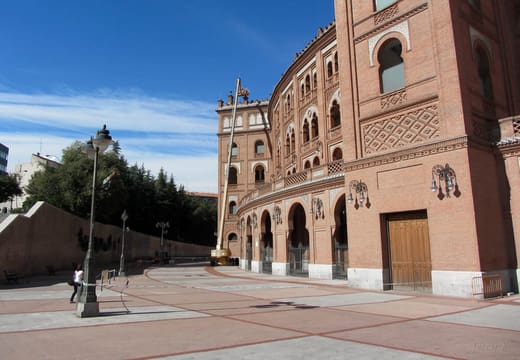
Museum · Salamanca Bullfighting Museum A museum in the Patio de Caballos of the Las Ventas bullring, opened in 1951. It has three rooms, one on the bullring itself and others on bulls, bullfighters and costumes.
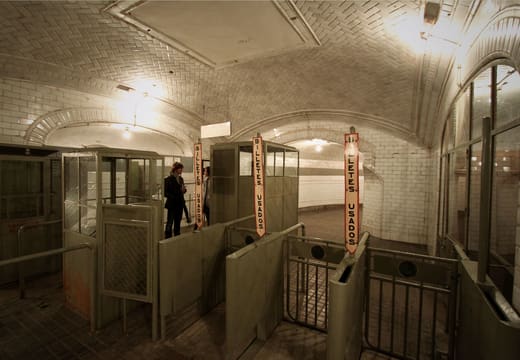
Museum · Chamberí Chamberí Station (Andén 0) A disused Metro station on Plaza de Chamberí, closed since 1966 and designed by Antonio Palacios. It is open to the public as a museum through free guided visits.
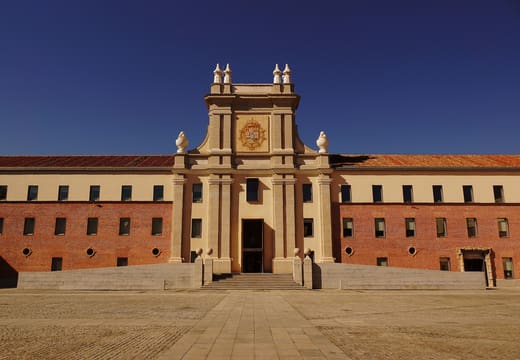
Museum · Malasaña Conde Duque A large cultural centre on Calle del Conde Duque, with several exhibition rooms, an auditorium and a theatre for the performing arts.
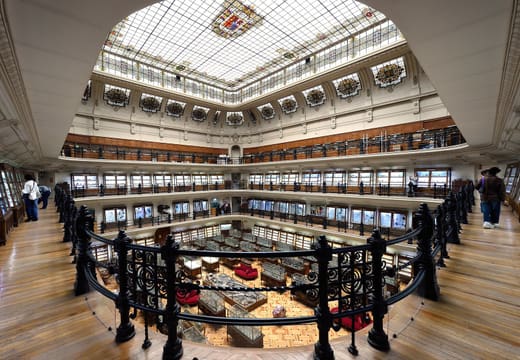
Museum · Chamberí Geominero Museum A geology museum of the Spanish geological survey (IGME) on Calle de Ríos Rosas, with minerals, rocks and fossils from Spain and abroad.
Museum · Huertas and Barrio de las Letras ICO Museum A museum next to the Paseo del Arte on Calle de Zorrilla, opened in 1996. Since 2012 the ICO Foundation has run it as an exhibition space.
Museum · Salamanca Juan March Foundation A cultural centre on Calle de Castelló, created in 1955 by the financier Juan March Ordinas. It has exhibitions, a shop, a library and a cafeteria.
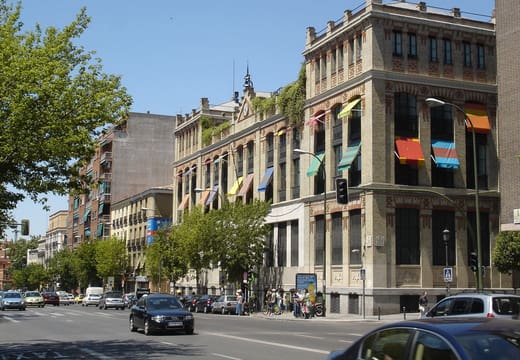
Museum · Lavapiés La Casa Encendida A social and cultural centre of the Fundación Montemadrid on Ronda de Valencia with exhibitions, a library, cinema and concerts.
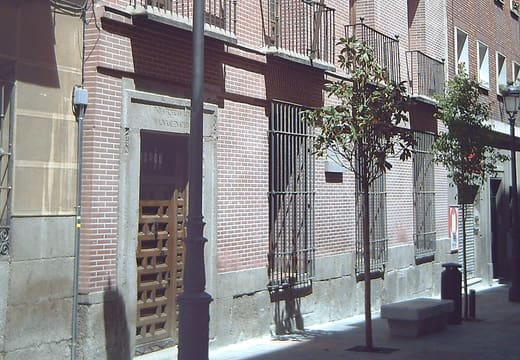
Museum · Huertas and Barrio de las Letras Lope de Vega House Museum The house on Calle de Cervantes where the playwright Lope de Vega lived from 1610 until his death in 1635. The house dates from the 16th century.
Museum · Malasaña Museum of the History of Madrid The city's history museum, in the former Hospicio de San Fernando on Calle de Fuencarral, a major Madrid Baroque building. The museum began as the Museo Municipal in 1929 and took its present name in 2007.
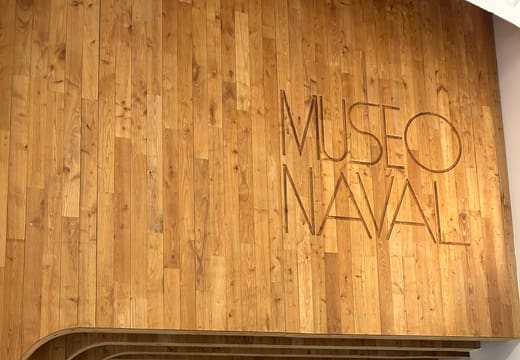
Museum · Paseo del Prado Naval Museum The Spanish Navy's museum on Paseo del Prado. Entry is free and the museum asks for a voluntary contribution towards its upkeep.
Museum · Chamartín and Tetuán ONCE Tiflological Museum A museum on Calle de la Coruña opened in 1992 with artworks and tactile material for blind and visually impaired people, run by ONCE.
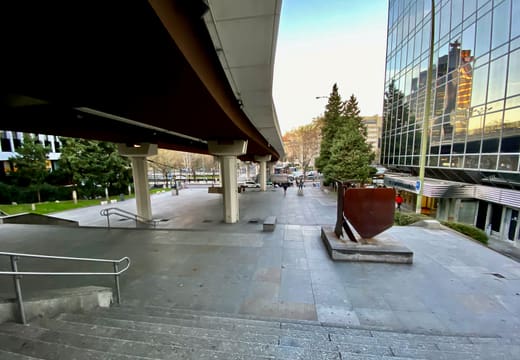
Museum · Salamanca Open-Air Sculpture Museum A sculpture collection under the Enrique de la Mata Gorostizaga bridge on Paseo de la Castellana, between Calle de Serrano and Glorieta de Rubén Darío.
Museum · La Latina San Isidro Museum, the Origins of Madrid A city museum on Plaza de San Andrés, set in the house where Madrid's patron saint lived. It covers the history of Madrid from prehistory to the establishment of the court.
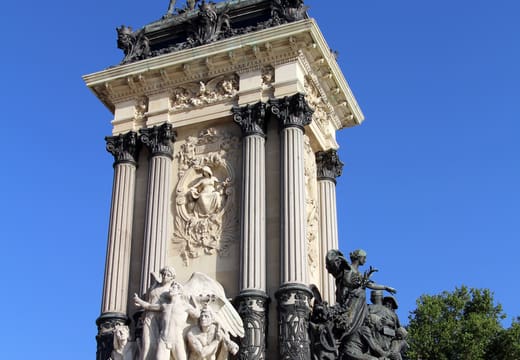
Landmark · Retiro Alfonso XII Monument A sculptural and architectural monument to Alfonso XII beside the Retiro's large pond, opened by his son Alfonso XIII in 1922.
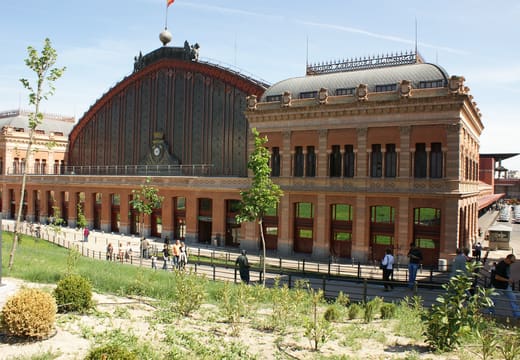
Landmark · Paseo del Prado Atocha Station Madrid's main railway station, formally Madrid-Puerta de Atocha-Almudena Grandes. The first Atocha station opened in 1851 on the Madrid to Aranjuez line.
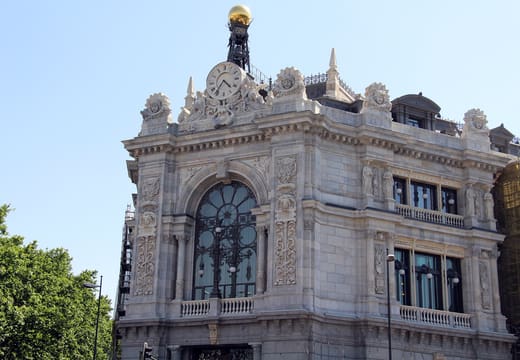
Landmark · Paseo del Prado Bank of Spain Headquarters The central headquarters of the Bank of Spain on Calle de Alcalá, a 19th-century building that won a prize at the 1884 National Exhibition of Fine Arts.
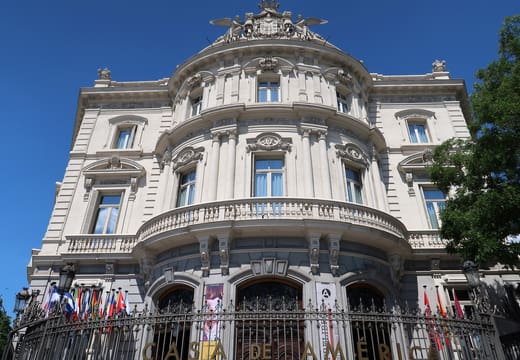
Landmark · Paseo del Prado Casa de América A cultural institution in the Palacio de Linares on Plaza de Cibeles, run by a consortium of the foreign ministry, the Comunidad de Madrid and the city council to build ties with Latin America.
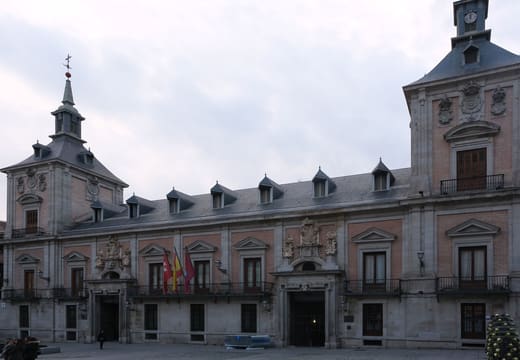
Landmark · Palacio and Ópera Casa de la Villa A sober building on Plaza de la Villa, a site halfway between the Guadalajara and Vega gates of medieval Madrid.
Landmark · Chueca Casa de las Siete Chimeneas One of the few 16th-century civil buildings left in Madrid, designed and built between 1574 and 1577 by Antonio Sillero for Pedro de Ledesma.
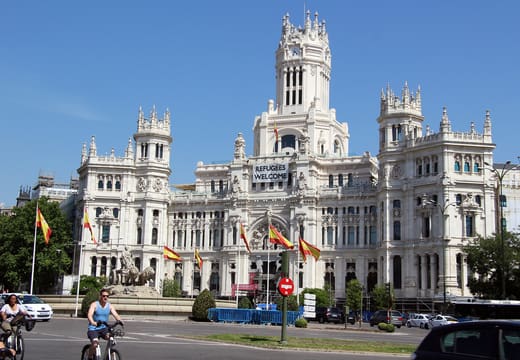
Landmark · Paseo del Prado Cibeles Palace and CentroCentro The former Palace of Communications on Plaza de Cibeles, now the home of CentroCentro and Madrid's city hall. The building can be entered free and has a viewing gallery, Mirador Madrid.
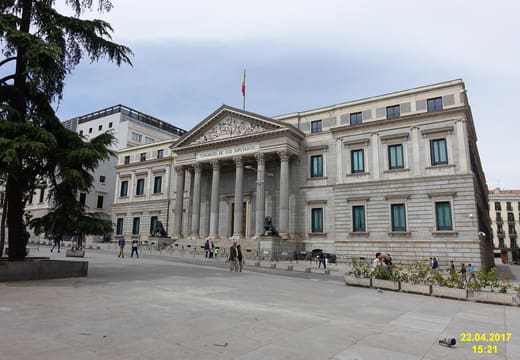
Landmark · Huertas and Barrio de las Letras Congress of Deputies The seat of Spain's lower house of parliament on Plaza de las Cortes, built on the site of the old Convent of the Holy Spirit. It was used by the Congress from 1834 to 1841 and again later.
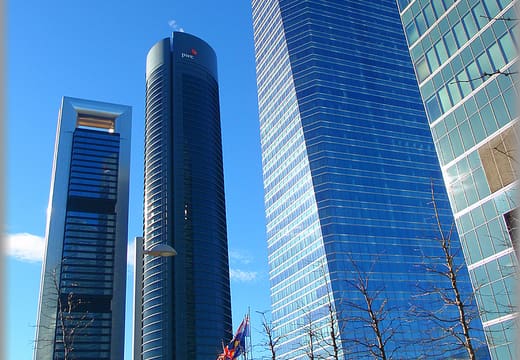
Landmark · Chamartín and Tetuán Cuatro Torres Business Area Four skyscrapers built on the former Ciudad Deportiva of Real Madrid at Paseo de la Castellana 259. They are the Torre Moeve, Torre PwC, Torre de Cristal and Torre Emperador Castellana.
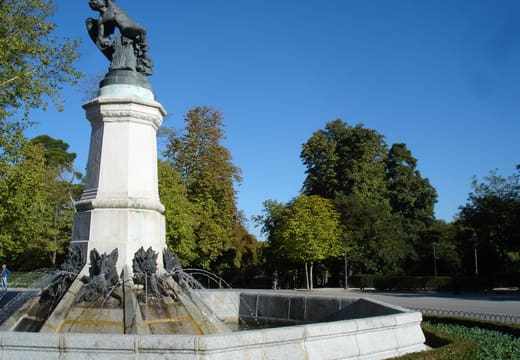
Landmark · Retiro Fallen Angel Fountain A fountain in the Retiro showing the Fallen Angel at the moment of his expulsion from Paradise. It is often called Madrid's monument to the devil.
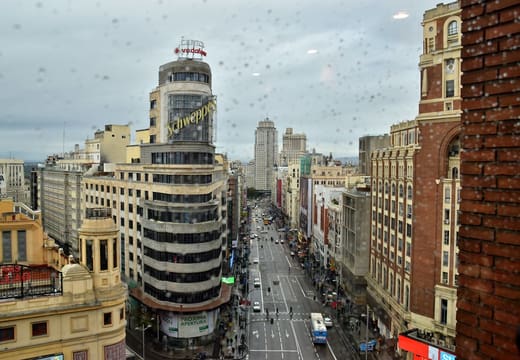
Landmark · Sol and Centro Gran Vía A main avenue built between 1910 and 1931 to relieve the old centre. It brought the city's first skyscrapers and was built in three sections, starting from Calle de Alcalá.
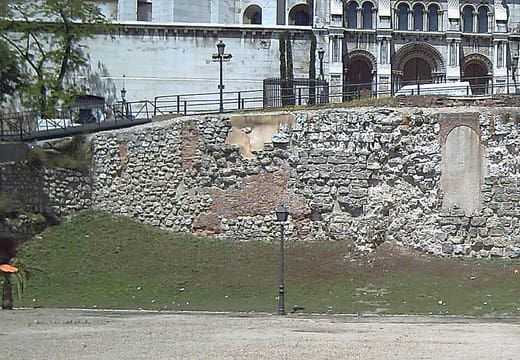
Landmark · Palacio and Ópera Madrid Muslim Wall Remains of the first wall of Madrid, built under the emir Muhammad ibn Abd al-Rahman between 850 and 866 and reinforced in the 10th century by caliph Abd al-Rahman III.
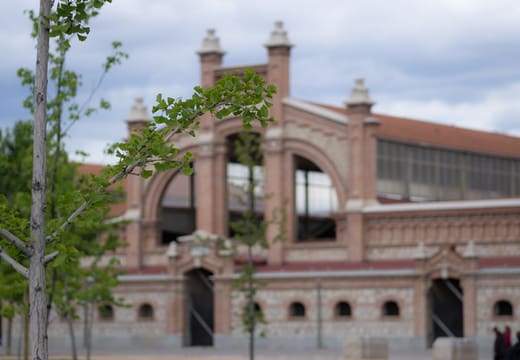
Landmark · Arganzuela and Madrid Río Matadero Madrid The former Madrid slaughterhouse, a group of neo-Mudéjar pavilions on the Manzanares built in the early 20th century. It is now a culture complex, with free access to its grounds.
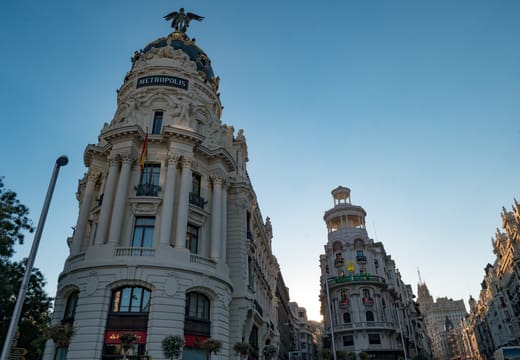
Landmark · Sol and Centro Metrópolis Building A landmark building at the corner of Calle de Alcalá and Gran Vía, designed in 1905 by the French architects Jules and Raymond Février for the insurance company La Unión y el Fénix.
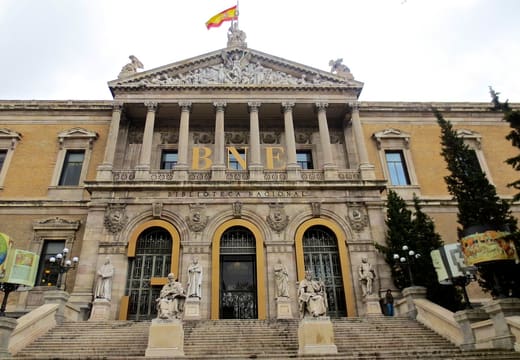
Landmark · Salamanca National Library of Spain Spain's national library, founded by Philip V in 1711 as the Real Biblioteca. Its building on Paseo de Recoletos opened in 1896 and has free exhibitions.
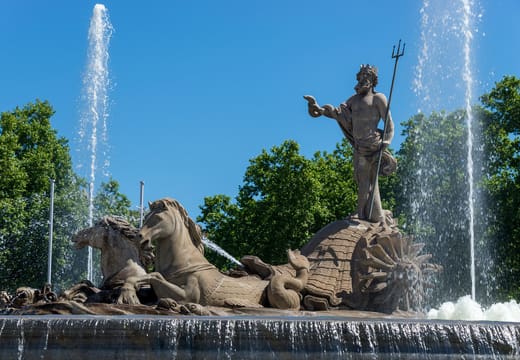
Landmark · Paseo del Prado Neptune Fountain A fountain of the sea god on Plaza de Cánovas del Castillo, close to the Cibeles fountain. Atlético de Madrid fans celebrate their wins here.
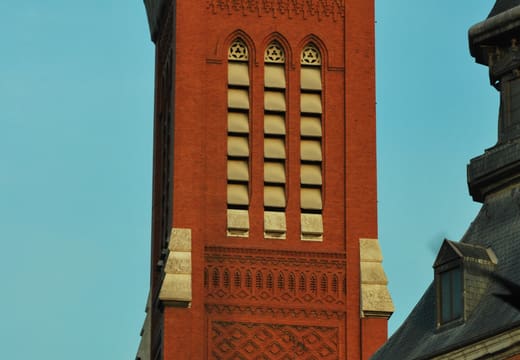
Landmark · Sol and Centro Palacio de Santa Cruz A rectangular 17th-century palace on Plaza de la Provincia, home of the Ministry of Foreign Affairs since 1938 and a listed cultural asset since 1996.
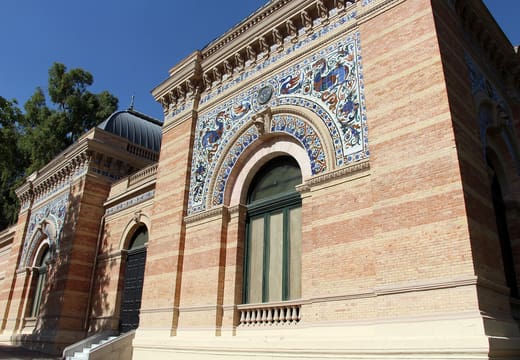
Landmark · Retiro Palacio de Velázquez An exhibition hall in the Retiro run by the Reina Sofía Museum. It was built between 1881 and 1883 for the National Mining Exhibition.
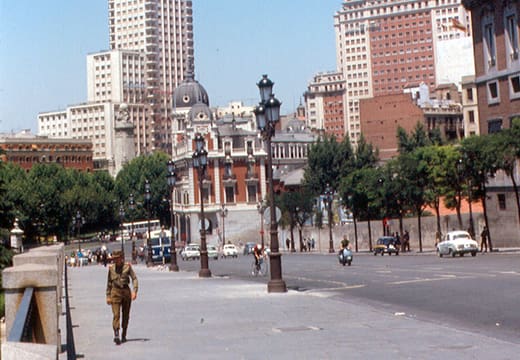
Landmark · Moncloa and Argüelles Plaza de España A rebuilt square of about 70,000 square metres with 1,110 trees, children's play areas and cycle lanes. It holds the Cervantes monument with Don Quixote and Sancho Panza.
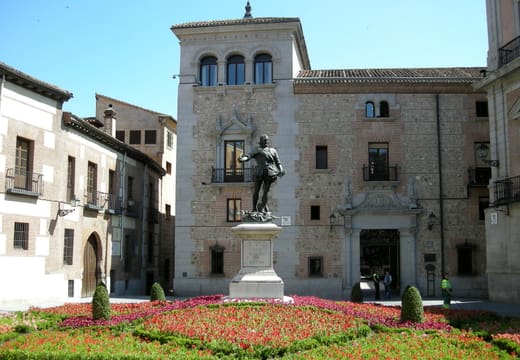
Landmark · Palacio and Ópera Plaza de la Villa One of the best-preserved monumental groups in Madrid, in the old centre near Puerta del Sol and long the seat of the city council. It was a main core of medieval Madrid.
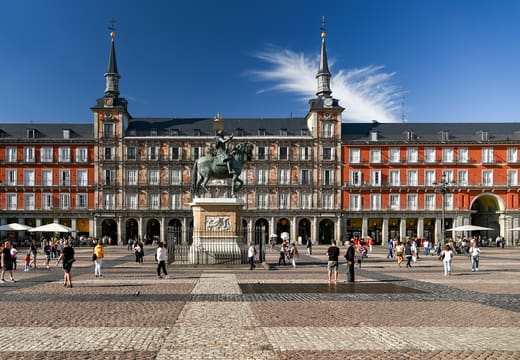
Landmark · Sol and Centro Plaza Mayor An arcaded square at the heart of the Madrid of the Habsburgs. Its uniform design was ordered from the architect Juan Gómez de Mora in 1617.
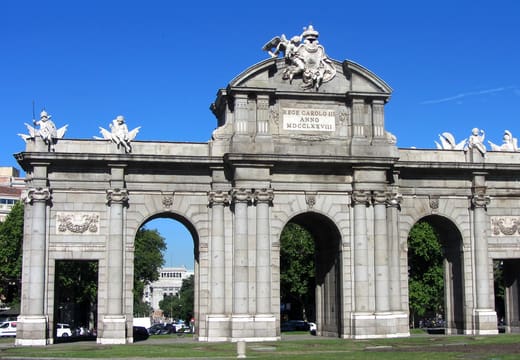
Landmark · Retiro Puerta de Alcalá A neoclassical granite triumphal arch on Plaza de la Independencia next to the Retiro park, opened in 1778 and designed by Francesco Sabatini. It replaced an earlier gate from the 16th century.
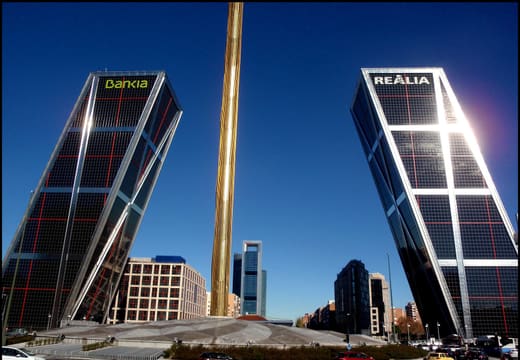
Landmark · Chamartín and Tetuán Puerta de Europa (KIO Towers) Two leaning office towers officially named Puerta de Europa, at Plaza de Castilla. They are among the best-known parts of the Madrid skyline.
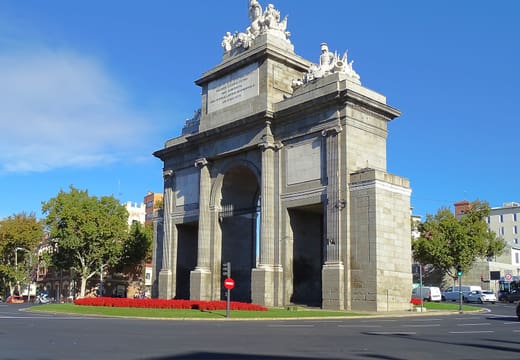
Landmark · La Latina Puerta de Toledo A triumphal arch between La Latina and Embajadores, built to mark the arrival of Ferdinand VII in Madrid. It replaced earlier gates from the 16th century.
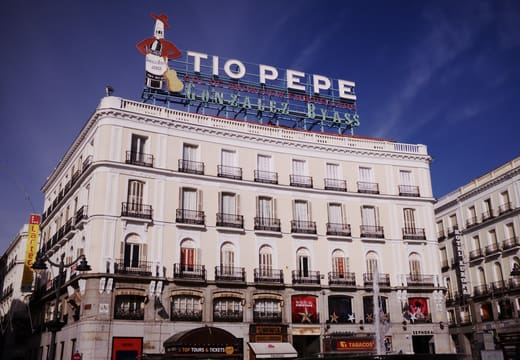
Landmark · Sol and Centro Puerta del Sol A semicircular square, pedestrian since August 2020, where Calle Mayor, Calle del Arenal, Calle de Alcalá and Calle de Preciados meet. The clock on the Casa de Correos marks the New Year chimes on 31 December.
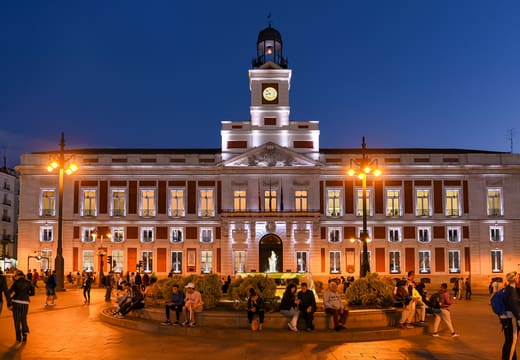
Landmark · Sol and Centro Real Casa de Correos A Baroque building in Puerta del Sol put up between 1760 and 1768 by the French architect Jacques Marquet as the headquarters of the postal service. It houses the Comunidad de Madrid.
Landmark · Huertas and Barrio de las Letras Royal Academy of History The Royal Academy of History, which began in 1735 as a literary gathering of friends and received Philip V's protection. It sits on Calle del León.
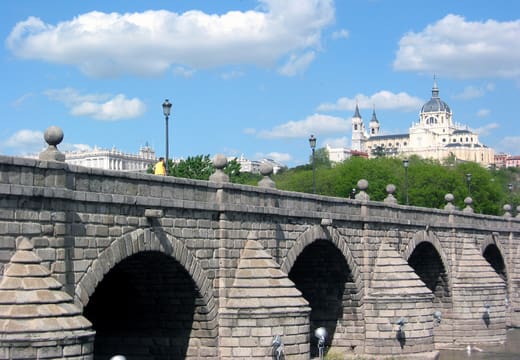
Landmark · Palacio and Ópera Segovia Bridge The oldest bridge in Madrid, a listed cultural asset since 1996. It carried the road to Segovia over the Manzanares, with construction starting in 1574 under a decree of Philip II.
Landmark · Palacio and Ópera Senate Palace The seat of Spain's Senate on Calle de Bailén next to Plaza de España. The building was an Augustinian convent before it became the Senate palace in 1835.
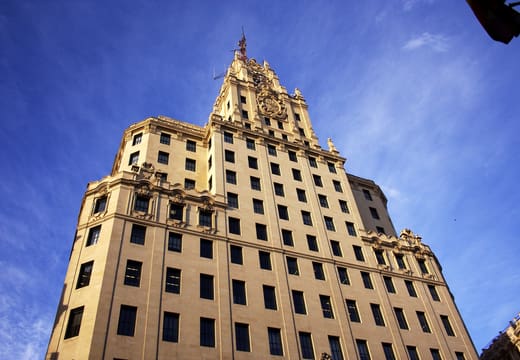
Landmark · Sol and Centro Telefónica Building A building on Gran Vía opened in 1930, which the tourism board calls the first skyscraper in Europe, at nearly 90 metres. Its design drew on American skyscrapers.
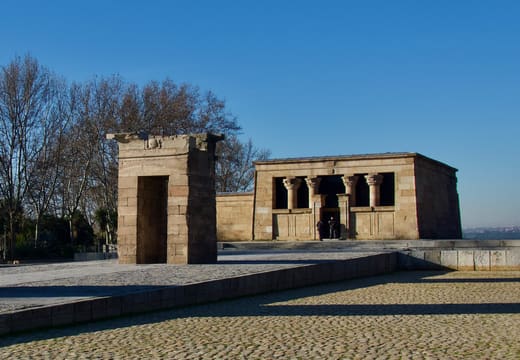
Landmark · Moncloa and Argüelles Temple of Debod An Egyptian temple from the 2nd century BC rebuilt in the Parque del Cuartel de la Montaña near Plaza de España. Egypt donated it to Spain to save it from being flooded by a large dam.
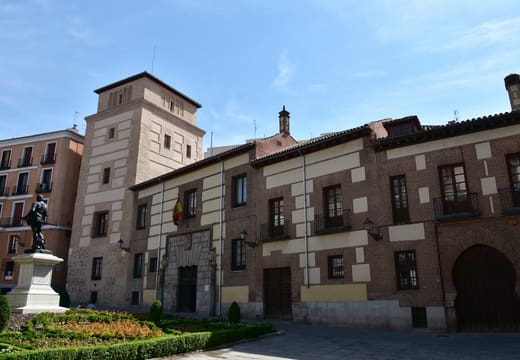
Landmark · Palacio and Ópera Torre de los Lujanes A tower and mansion in Mudéjar style on Plaza de la Villa, built in the second half of the 15th century. The tourism board calls it the oldest civil building in Madrid.
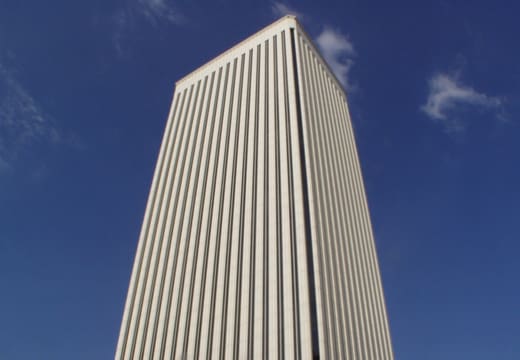
Landmark · Chamartín and Tetuán Torre Picasso A 45-floor tower 157 metres tall in the AZCA business area. It was the tallest building in Madrid until the Cuatro Torres were built.
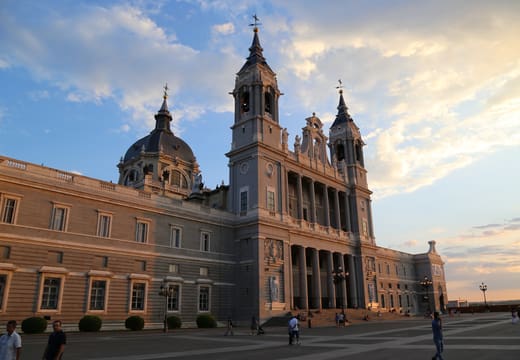
Church · Palacio and Ópera Almudena Cathedral Madrid's cathedral on Calle de Bailén, with a short but intense history. The first plans were drawn in 1879 by Francisco de Cubas as a pantheon for Queen Mercedes.
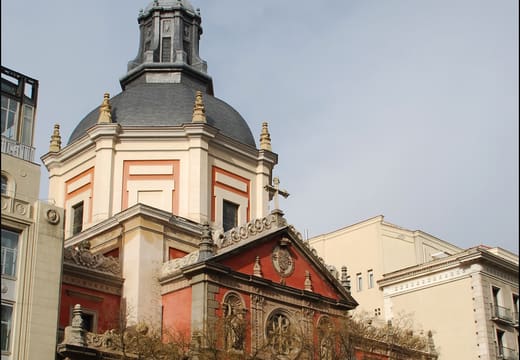
Church · Sol and Centro Calatravas Church The church of the former Royal Monastery of the Concepción, known as the Comendadoras de Calatrava, on Calle de Alcalá. The order's nuns moved to Madrid in 1623.
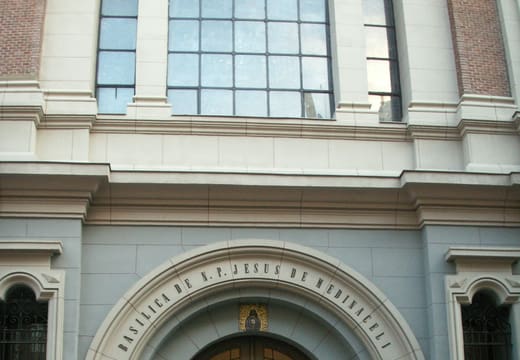
Church · Huertas and Barrio de las Letras Jesús de Medinaceli Basilica One of the six basilicas in Madrid, on Plaza de Jesús in the Barrio de las Letras. It holds a 17th-century image of Christ, the Cristo de Medinaceli.
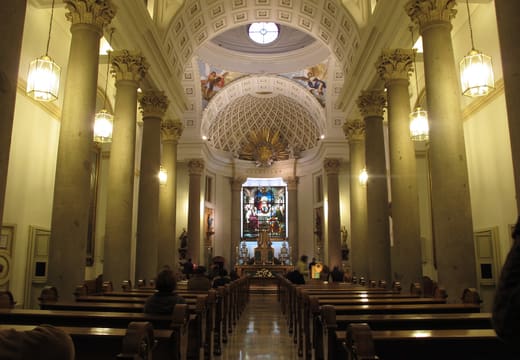
Church · Sol and Centro Oratorio del Caballero de Gracia A church that looks small from outside because its door sits in a corner of Gran Vía, but opens up inside. The tourism board lists it among the hidden architectural treasures of the centre.
Church · Retiro Royal Basilica of Our Lady of Atocha One of the six basilicas in Madrid, on Calle de Julián Gayarre near the Atocha station.
Church · La Latina Royal Collegiate Church of San Isidro A church on Calle de Toledo that served as Madrid's provisional cathedral from 1885 until the Almudena was finished. The tomb of San Isidro, the city's patron saint, lies at its high altar.
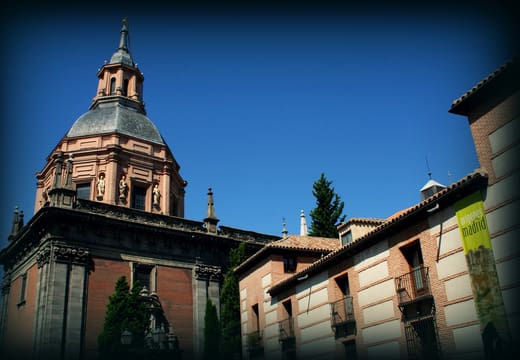
Church · La Latina San Andrés Church One of the oldest parishes in Madrid, on Plaza de San Andrés in La Latina. Legend says Saint Isidore the Labourer worshipped here.
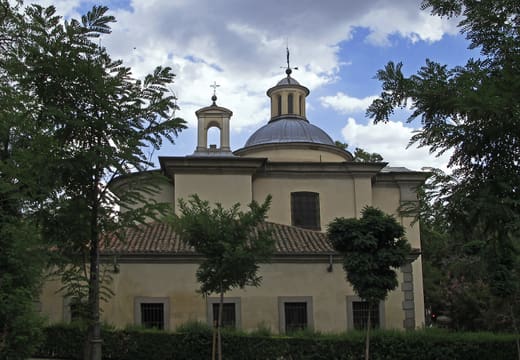
Church · Moncloa and Argüelles San Antonio de la Florida Hermitage A plain 18th-century chapel with a large cycle of frescoes that Goya painted in the late 1700s. It is run as a museum by the city.
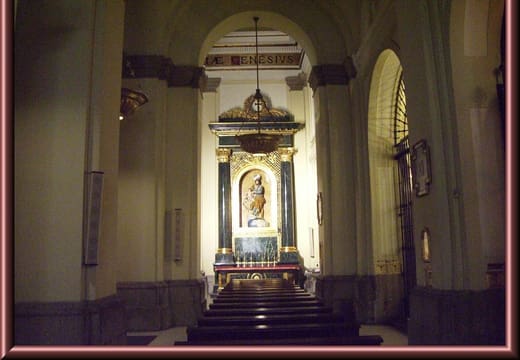
Church · Sol and Centro San Ginés Church One of the oldest churches in Madrid, on Calle del Arenal. It was built in 1645 over what is thought to be a Mozarabic chapel and is dedicated to Saint Genesius of Arles.
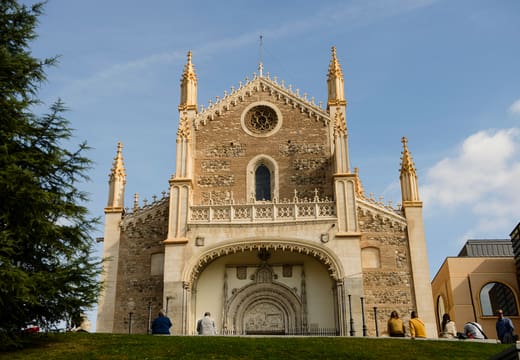
Church · Paseo del Prado San Jerónimo el Real A church known as Los Jerónimos, once part of one of Madrid's main convents next to the Buen Retiro palace. It has been a national monument since 1925.
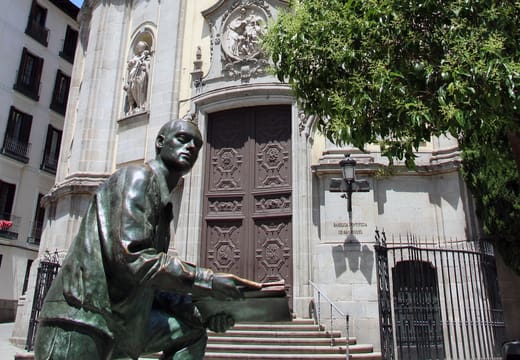
Church · Palacio and Ópera San Miguel Basilica A small basilica in the Madrid of the Habsburgs, one of the key buildings of Spanish Baroque for its convex facade.
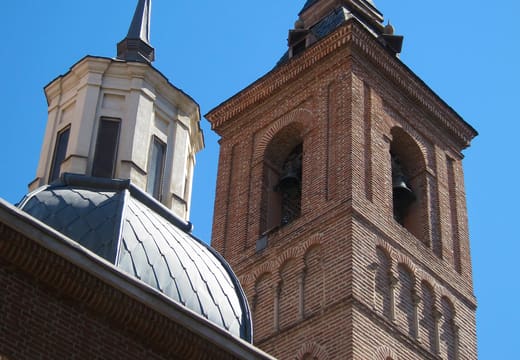
Church · Palacio and Ópera San Nicolás de los Servitas Church A church in the Madrid of the Habsburgs, a national monument since 1947 for its 12th-century Mudéjar tower. The tourism board calls it the oldest construction in the city after the old Santa María de la Almudena was demolished.
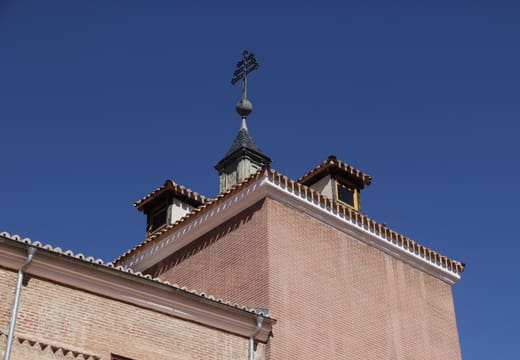
Church · La Latina San Pedro el Viejo Church One of the oldest churches in Madrid, cited in the city charter of 1202. The present building comes from many alterations and has been a listed cultural asset since 1979.
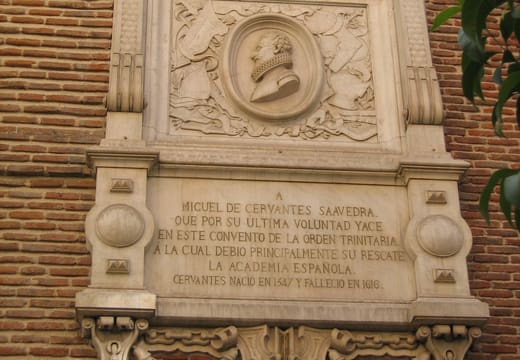
Church · Huertas and Barrio de las Letras Trinitarias Convent A convent founded in 1612 on Calle de Lope de Vega around a modest church. Miguel de Cervantes was buried here in 1616.
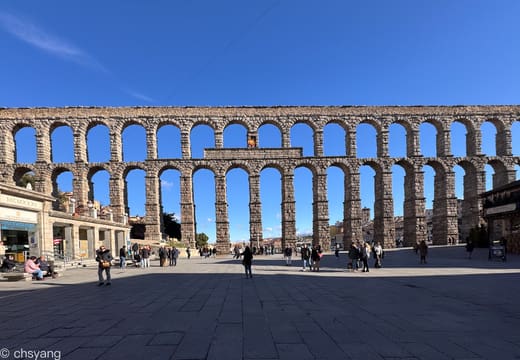
Day trip · Segovia Aqueduct of Segovia A Roman aqueduct of the 2nd century AD with 167 granite arches, among the largest Roman engineering works in Spain. The stone blocks are joined without mortar, and UNESCO listed it in 1985.
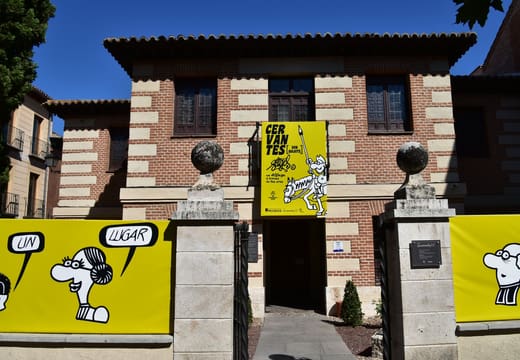
Day trip · Alcalá de Henares Cervantes Birthplace Museum The house on Calle Mayor where Cervantes spent his first years, now a museum recreating the customs of the 16th and 17th centuries.
Day trip · Alcalá de Henares Regional Archaeological Museum The archaeology and palaeontology museum of the Comunidad de Madrid in Alcalá, opened in 1999 in a 17th-century Dominican college and convent. It presents the region's history in a teaching format.
Viewpoint · Palacio and Ópera Cornisa Viewpoint at the Royal Palace A viewpoint on Plaza de la Armería between the Royal Palace and the Almudena Cathedral, looking over the Campo del Moro gardens and the Casa de Campo.
Viewpoint · La Latina Vistillas Gardens Viewpoint A small wooded park on Calle de la Morería named for its views over the Manzanares valley and the Casa de Campo. In good weather its terraces fill up.
Park · Chamartín and Tetuán Berlin Park An urban park between Calle de Ramón y Cajal, Marcenado and San Ernesto, with remains of the Berlin Wall installed since November 1990. It has ornamental fountains and children's areas.
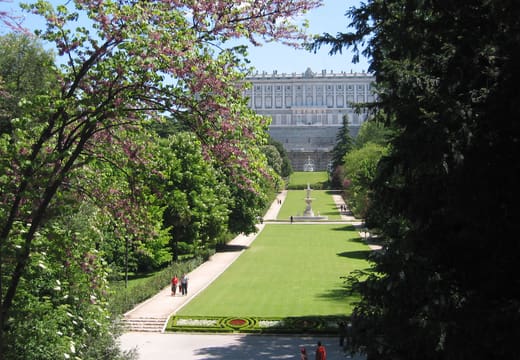
Park · Palacio and Ópera Campo del Moro Gardens The historic gardens below the Royal Palace, created under Philip II. They have three entrances, from Paseo de la Virgen del Puerto, Cuesta de la Vega and Cuesta de San Vicente.
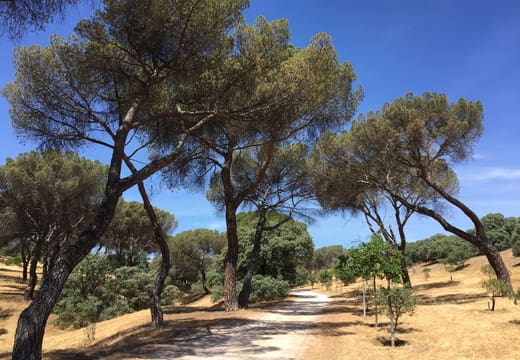
Park · Moncloa and Argüelles Casa de Campo At 1,535 hectares, the largest public park in Madrid. Its history began when Philip II moved the court to Madrid and assembled an estate here.
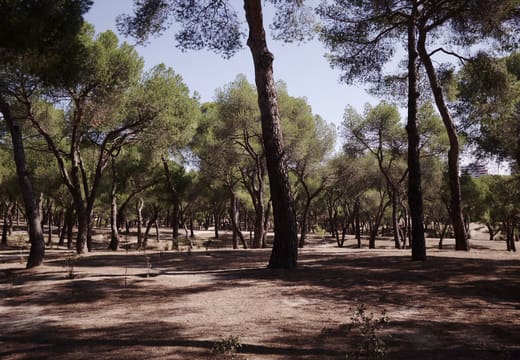
Park · Chamartín and Tetuán Dehesa de la Villa A large green area in the north-west of the city beside the university city, kept largely in its natural state.
Park · Salamanca Discovery Gardens A park on Plaza de Colón opened in 1970, close to Calle de Serrano, Paseo de la Castellana, the National Library and the National Archaeological Museum.
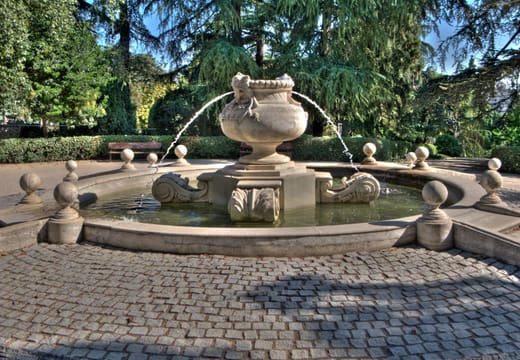
Park · Salamanca Fuente del Berro Park A park on Calle de Enrique D'Almonte, one of six city parks that can close in weather alerts.
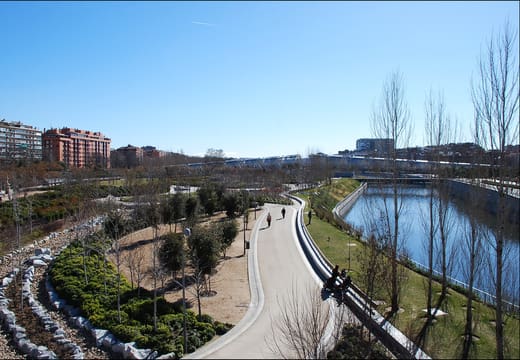
Park · Arganzuela and Madrid Río Madrid Río A long riverside leisure and culture area along the Manzanares, where the river's renaturalisation has brought back wildlife. It links historic monuments with leisure facilities.
Park · Arganzuela and Madrid Río Palacio de Cristal de Arganzuela Greenhouse A greenhouse and botanical garden of about 7,100 square metres in the former municipal slaughterhouse, which Luis Bellido built between 1908 and 1928. It was restored in 1992.
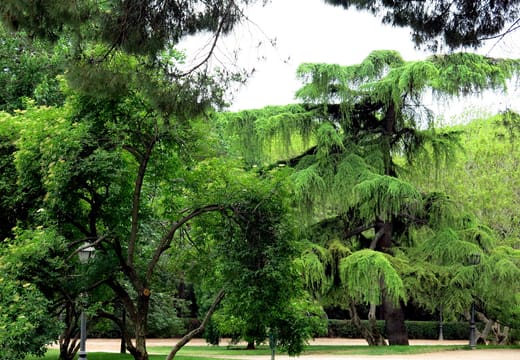
Park · Moncloa and Argüelles Parque del Oeste A park of nearly 100 hectares between the A-6 road, the university city and Moncloa. It is the first public park in Madrid and has the Ramón Ortiz rose garden.
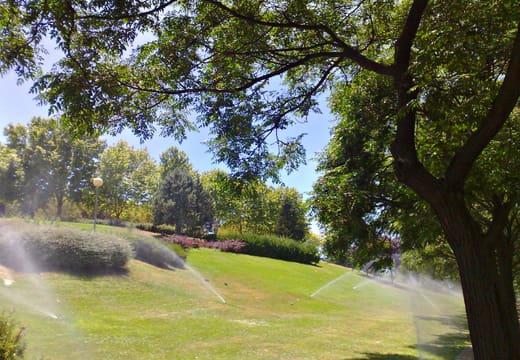
Park · Arganzuela and Madrid Río Parque Enrique Tierno Galván A large park in the Legazpi district, near the Méndez Álvaro transport hub, with a wide range of tree species and the city planetarium inside.
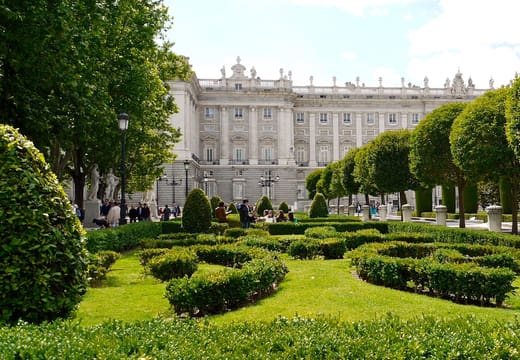
Park · Palacio and Ópera Plaza de Oriente Gardens Gardens of 1.6 hectares in front of the Royal Palace. Joseph Bonaparte started them to set off the palace and the Teatro Real.
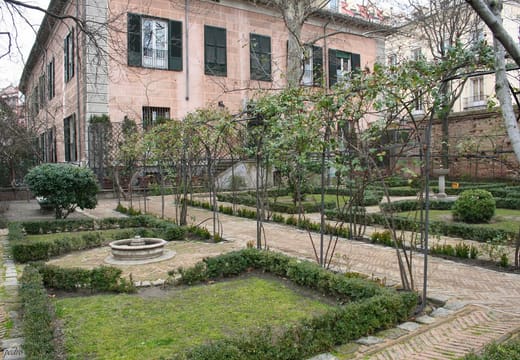
Park · La Latina Príncipe de Anglona Gardens A small garden made around 1750, one of the few noble gardens of the 18th century left in Madrid. It was once for the palace residents and is now open to all.
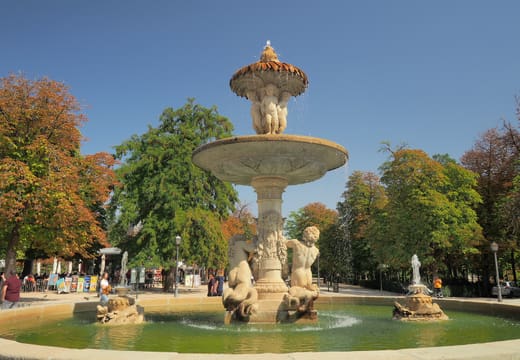
Park · Retiro Retiro Park The large park next to the Puerta de Alcalá, open every day. The city runs free guided visits of it under the Pasea Madrid programme.
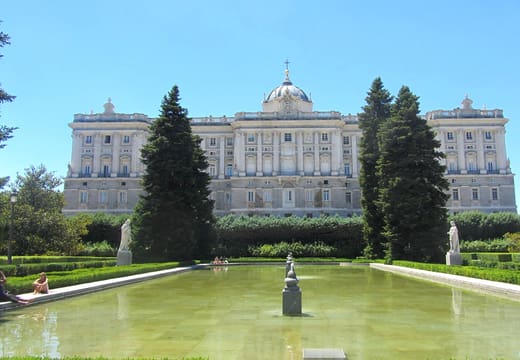
Park · Palacio and Ópera Sabatini Gardens Classical-style gardens created in the 1930s on the site of the stables Sabatini built for the Royal Palace, facing its north facade.
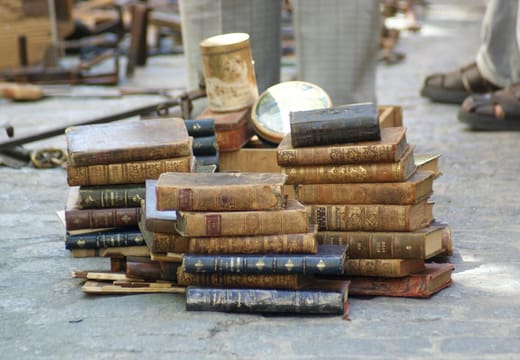
Market · La Latina El Rastro Madrid's open-air flea market on Plaza de Cascorro and the streets around it, held on Sundays and holidays. The surrounding shops are open every day of the week.
Shopping · Paseo del Prado Cuesta de Moyano Bookstalls A pedestrian slope by the Royal Botanic Garden lined by a permanent fair of second-hand bookstalls, linking the Glorieta de Carlos V with the Retiro.